
4 Easy Steps to Photography Mastery
Want to make your friends say “wow” when they see your photography? Brilliant. But let’s get one thing out of the way first: there’s no magic button for mastering photography.
You can buy a better camera, a sharper lens, or some whiz-bang bit of kit, but none of that guarantees better photographs. The real trick is learning how to spot a strong subject, compose it properly, understand your camera, and then practise until it all starts to feel second nature.
The point here is simple: better photography comes from stacking a few useful habits on top of each other. Subject first. Composition second. Camera control third. Practice all the time. So there you go — that’s the whole thing in a nutshell.
Quick answer: how do you start mastering photography?
- Find something interesting to photograph.
- Learn composition so your images make visual sense.
- Understand your camera settings, especially shutter speed, aperture, ISO, and manual exposure.
- Practise as often as you can, because photography is a doing thing, not a reading thing.
Now let’s unpack that without making it sound like a camera manual written by a committee.
1. Find something interesting to shoot

This sounds so obvious it almost feels daft writing it down, but loads of photographs are dull because the thing in front of the camera is dull. Dull subject, dull light, dull angle — and suddenly you’ve got a photograph that feels like it needs a little lie down.
Yes, you can make great images from ordinary things once you understand composition and camera control. Absolutely. But when you’re learning, stack the odds in your favour. Find something with shape, light, character, movement, texture, or a bit of weirdness.
What makes a subject interesting?
Interesting is subjective, of course. One person’s cracking subject is another person’s “why have you photographed that drainpipe?” But generally, unusual stuff works. Things out of the norm work. Fleeting shadows work. Spirals in staircases work. Getting down low on your belly can make a boring scene look far more dramatic.
Anything shot from normal head height is usually less interesting than the same thing shot from high up, low down, close in, or from an angle people don’t normally see.
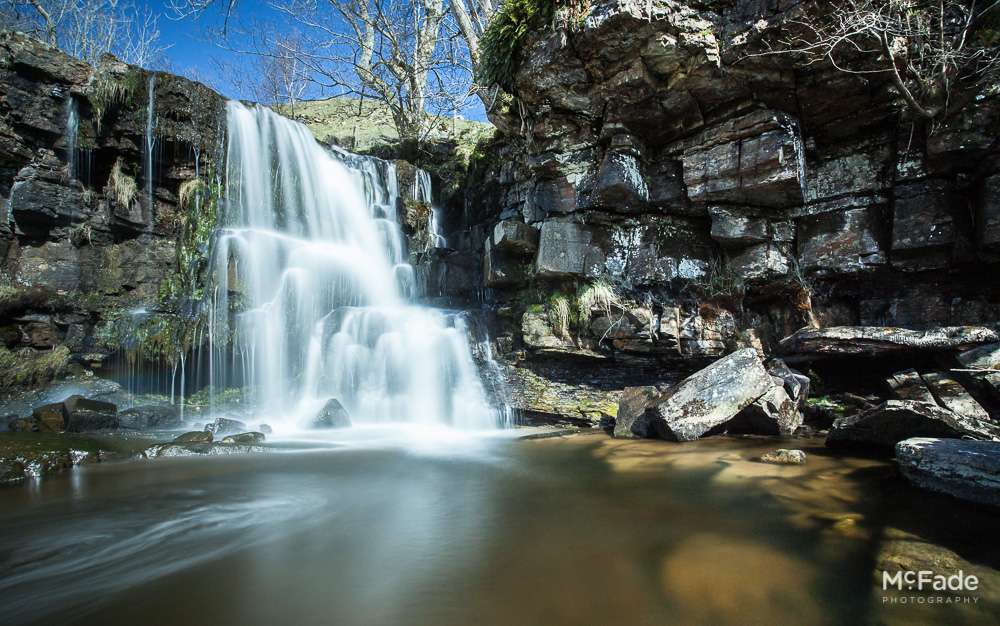
Timing matters too. That’s why landscape photographers get a bit obsessed with sunrises and sunsets. The light changes the whole mood of a scene. Red skies and soft evening light will usually do more for hills and fields than harsh midday sun blasting everything flat.
2. Learn about composition now

Composition is the key to it all really. Every image you’ve ever liked has some sort of composition going on, even if you didn’t notice it at the time.
Composition is the grammar of image making
Where you put things in the frame, how big you make them, what you leave out, what lens you choose, and how objects relate to each other — that’s composition.
It’s a bit like putting words in a sentence. Put them in the right order and people understand you. Put them in a bonkers order and everyone stands there blinking.
- Good composition helps people understand your message.
- Messy composition can confuse the viewer or weaken the image.
Where you put “stuff” in a photo frame does exactly the same thing. It tells the viewer what matters.
How do you learn composition?
A great place to start is an art gallery. Go and look at where painters put people, buildings, trees, animals, horizons, and bits of empty space. Then go online and look at Constable’s Hay Wain. Where is the cart? Where does your eye go first? Why?
Once you start spotting these patterns, you’ll see the so-called rules of composition everywhere. I prefer to call them guides, because rules make it sound like the photo police are going to kick your door in if you put a tree in the wrong place.
Start with these:
- Focal points — what is the subject of your photo, and is it obvious? If there is more than one subject, does that help the image or confuse it?
- Leading lines — fences, roads, arms, rows of trees, and even people looking at each other can all point the viewer towards the subject.
- Rule of thirds — imagine a noughts-and-crosses grid over the scene. Put your horizon on one of the horizontal lines, or your subject where the lines cross, and you’ll often get a stronger image.
- Keeping junk out of the shot — check the edges of the frame. Does that car, dog, lamp-post, tree branch, or random bright thing help the image? If not, move, zoom, or reframe.
There are huge books on composition, and it’s well worth popping to the library or investing in one. But don’t just read about it. Go out and copy what works. That’s not cheating. It’s how you train your eye.
3. Become at one with your camera

Imagine seeing a scene and knowing instinctively which lens, f-stop, ISO, and shutter speed to use
Plenty of photographers can do that. It looks like instinct, but it mostly comes from learning the nuts and bolts until they stop feeling scary.
This is the geeky side of photography:
- f-stops
- ISO
- white balance
- focal length
- shutter speed
- metering
- histograms
- manual exposure
- stops
I’ve put this after composition on purpose. People can get bogged down in camera settings, create truly tedious photos, and then lose heart because the pictures still don’t work. Get your head around composition first, then get nerdy.
Once you understand the technical bits, they become tools that support the image rather than distractions that make your brain leak out of your ears.
- Busy backgrounds can wreck a composition, but a long lens and wide aperture can blur the background and rescue the shot.
- If you use a 200mm lens at 1/2 second, you’ll probably get a blurry photo unless you use a tripod.
- If your shutter speed is too slow, raising the ISO can give you a faster exposure.
The best way to learn is by experimenting. Work through all the f-stops and see what happens to your depth of field and shutter speed. Once you see it for yourself, it beds into your memory and becomes second nature.
The most important camera settings to understand
- Shutter speed — controls whether movement freezes or blurs.
- F-stops — control whether the background goes blurry, everything stays sharp, or you land somewhere in between.
- ISO — helps make shutter speeds longer or shorter depending on what you want to achieve.
- Manual exposure — the best way to understand how shutter speed, aperture, and ISO work together as a triangle.
4. Practise as often as you can

Right, a fourth one for free.
Practice is another obvious one, but it matters. Photography is like sport: you improve when you train, and you go a bit rusty when you keep putting it off.
Take your camera to work. Shoot on the way to the bus. Shoot at lunchtime. Stop at the park on the way home. Find a buddy who is also learning and go out regularly. You’ll find loads of people online who are in the same boat.
And yes, get yourself on a workshop if you can. That’s where you really learn: someone watching how you work, answering questions, pointing you in the right direction, and giving you new ideas. Plus, they’re fun, which helps.
Key takeaway
Mastering photography is not about owning the fanciest camera. It’s about learning how to see, compose, control the camera, and practise until the process feels natural.
- Start with an idea — it might be planned months ahead or spotted in the moment.
- Build the composition — decide what is interesting, what to include, what to exclude, and whether the background should be sharp or blurred.
- Use the technical settings — choose the lens, focal length, depth of field, shutter speed, and exposure settings that support the idea.
When those three things start happening without loads of conscious thought, and you’re getting repeatable results, you’re well on your way to mastering photography.
And remember, even experienced photographers still go back to beginner photography tips for success. There’s nowt wrong with revisiting the basics. The basics are usually where the good stuff lives.
Photography mastery FAQs
What is the fastest way to improve my photography?
The fastest way to improve is to practise composition every time you shoot. Find a clear subject, decide what belongs in the frame, remove what doesn’t, and pay attention to the light. Camera settings matter, but composition usually makes the biggest difference first.
Do I need an expensive camera to master photography?
No. A better camera can help in certain situations, but it will not fix dull subjects, messy composition, or poor timing. Learn to see properly first. Then the camera becomes a tool rather than a crutch.
Should I learn composition or camera settings first?
Learn composition first. If your photo has no clear subject or structure, perfect settings won’t save it. Once your compositions start working, camera settings become much easier to understand because you know what you’re trying to achieve.
What are the most important camera settings for beginners?
The big three are shutter speed, aperture, and ISO. Shutter speed controls movement, aperture controls depth of field, and ISO helps control exposure. Manual exposure teaches you how all three work together.
How often should I practise photography?
As often as you realistically can. Little and often works brilliantly. Shoot on your commute, at lunch, in the park, on family walks, or anywhere with decent light and something interesting going on.
So there you go. Find something worth shooting, compose it properly, learn the techy bits, and keep practising until it all starts to feel instinctive.
Related Posts

40 Photos of Seville
Yorkshire Coast Photography Workshop – Photos
Editing a Landscape in LIGHTROOM – Zell am See, Austria
Review of the Canon EOS R5 Mark II Digital Camera – Canon UK
Lightroom Tutorial – Landscape – Wilder Kaiser in Austria
Yorkshire Photo Locations – 5 Great Dales
Hiring a Photographer : 7 things you’re REALLY buying (6)
Exhibition in Abbot Hall, Kendal, November 2011